Cryptocurrency markets move quickly, operate around the clock, and can change direction within minutes. That makes the choice of trading infrastructure more important than simply finding somewhere to place an order. A reliable platform for trading crypto should help traders understand market movements, manage positions efficiently, control costs, and execute orders without unnecessary friction. While no platform can remove the risks associated with digital assets, the right one can make the trading process more structured and transparent. So, what separates a genuinely useful crypto trading platform from one that merely looks impressive?
Reliable Execution Should Come First
In fast-moving crypto markets, execution quality can have a direct impact on trading outcomes. A brief delay may cause an order to fill at a different price than expected, especially when volatility increases. For this reason, traders should look for platforms that offer reliable execution, stable connectivity, and practical order options such as market, limit, and stop orders.
These tools allow traders to manage entries and exits according to their strategies rather than reacting blindly to price movements. Execution speed should also be evaluated alongside liquidity and spreads, as both can influence the overall cost and efficiency of each trade.
Transparent Costs Make a Difference
Trading expenses can quietly reduce returns. A platform may appear inexpensive because it advertises low commissions, but the actual cost of trading can involve several components.
Before opening an account, traders should examine:
- Spreads: The difference between buying and selling prices.
- Commissions: Charges applied to opening or closing trades.
- Overnight or funding costs: Relevant when positions remain open beyond a specified period.
- Deposit and withdrawal fees: Costs associated with moving funds.
- Currency conversion charges: Important when account and transaction currencies differ.
Examining total trading costs helps traders compare platforms fairly, since lower fees may be offset by wider spreads or weaker execution.
Security Is More Than a Login Password
Crypto trading requires strong security because online accounts and financial data can attract cyber threats. Traders should check whether a provider uses encryption, multi-factor authentication, secure verification, account monitoring, and suitable controls for client funds. Regulatory transparency is equally important, including details about the legal entity, licence, regulator, and operating jurisdiction.
However, terms such as “secure” or “regulated” should not be accepted without verification. Traders should review the applicable protections, conditions, and regulatory framework before depositing funds. Requirements and investor protections can differ between countries, so the same safeguards may not apply across every
A Strong Trading Interface Should Reduce Friction
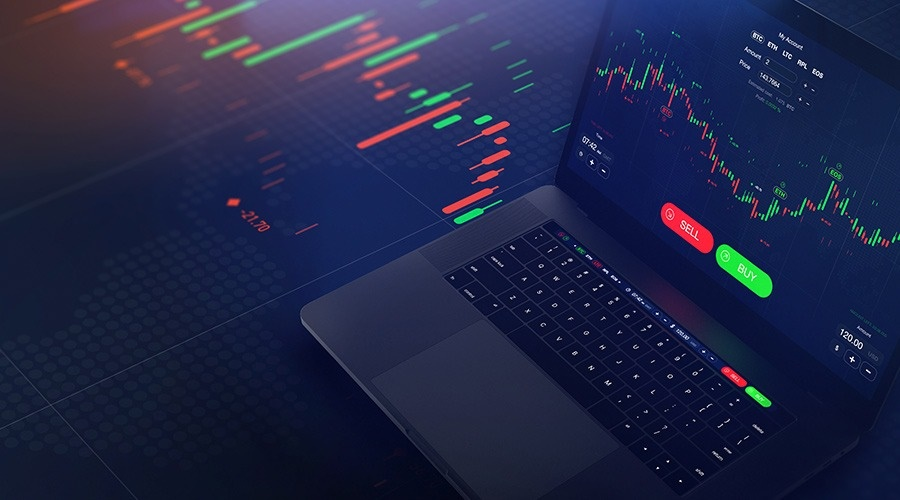
Sophisticated technology is only useful when traders can actually use it. A cluttered interface can make even straightforward tasks unnecessarily difficult, particularly when markets become fast-moving. A practical platform should make essential functions easy to locate.
These may include:
- Real-time price information
- Interactive charts
- Technical indicators
- Order management
- Position monitoring
- Account balances
- Profit-and-loss tracking
- Trade history
- Risk-management tools
Strong charting tools help traders analyze price action by adjusting timeframes, applying indicators, comparing movements, and spotting support or resistance levels more efficiently.
Risk Management Tools Matter
Crypto markets can move sharply, making risk management an important factor when choosing a trading platform. Features such as stop-loss and take-profit orders can help traders manage entries and exits at predefined levels. Clear details about position size, margin requirements, and exposure can also improve awareness of potential losses. Leverage requires extra caution because it can amplify both gains and losses.
Higher leverage is not necessarily better. Traders should assess whether the platform’s risk controls suit their strategy and tolerance. Practical tools for managing positions can encourage more disciplined decisions when market conditions become unpredictable, and price movements accelerate.
Asset Choice Should Match the Trading Strategy
Market access matters when choosing a crypto trading provider. Some traders prefer major cryptocurrencies, while others want broader asset choices. Understanding the instrument is also important. Buying crypto usually means owning the asset.
A CFD allows traders to speculate on price movements without owning it. Fees, risks, settlement methods, and regulatory protections can differ. Reviewing available instruments helps traders choose an option that fits their goals and trading style.
Stable Technology Matters During Busy Markets
A platform may perform well in calm markets but struggle when trading activity rises. Traders should consider whether it can handle busy periods without frequent disconnections, delayed prices, frozen charts, or failed orders. Reliable infrastructure supports smoother trading when market demand increases.
Mobile access can also help traders monitor positions while away from a desktop. However, convenience should not encourage impulsive decisions. A mobile app is most useful when it complements strong platform performance and provides essential information for informed
Customer Support Is an Often-Ignored Factor
Technical problems and account questions do not always appear during convenient business hours. Responsive customer support can therefore become surprisingly important. Traders should look at the available support channels, response times, operating hours, and quality of the information provided.
A useful support team should be able to explain account procedures, platform functions, deposits, withdrawals, and technical issues clearly. It is also worth checking whether educational resources are available. Market guides, trading tutorials, platform documentation, and analytical tools can be useful, particularly for traders still developing their approach.
Reputation and Transparency Deserve a Closer Look
Marketing claims are easy to make. Evidence is harder to produce. Before committing funds, traders should research the provider’s history, regulatory information, terms and conditions, fee schedule, supported markets, and customer feedback.
They should also pay attention to whether important limitations are clearly disclosed. A credible provider should not rely exclusively on promises of extraordinary returns or effortless trading. Cryptocurrency trading involves genuine financial risk, and no legitimate platform can guarantee profits.
The Right Platform Depends on the Trader
There is no single platform that suits every trader. Day traders may prioritise fast execution, competitive spreads, advanced charts, and real-time market data. Long-term traders may focus more on costs, reliability, asset availability, and simple account management.
Beginners should look for clear interfaces and practical risk controls instead of unnecessary complexity. Experienced traders may prefer advanced order types and deeper analytical tools. Ultimately, the right platform should match the trader’s strategy, experience, available capital, risk tolerance, and applicable jurisdiction.
Conclusion
A worthwhile platform for trading crypto should provide more than a collection of charts and a button labelled “Buy.” Execution quality, transparent pricing, security, market access, reliable technology, useful trading tools, customer support, and risk-management features all contribute to the overall experience. Traders should compare these factors carefully instead of choosing based on promotions or attractive interfaces alone. AngelSky approaches online trading through a broader multi-asset environment, offering traders access to cryptocurrency CFDs alongside other financial markets and professional trading technology. Ultimately, informed comparison remains one of the strongest tools a trader can bring to the market.